A new coat of paint is the quickest and easiest way to update the look of any room in your house. However, even the most well-prepared painters occasionally make mistakes due to the overwhelming array of colors available and the many possibilities for errors. Professional painters address five frequent mistakes in painting, allowing even amateurs to achieve professional results.
Using the Wrong Tool
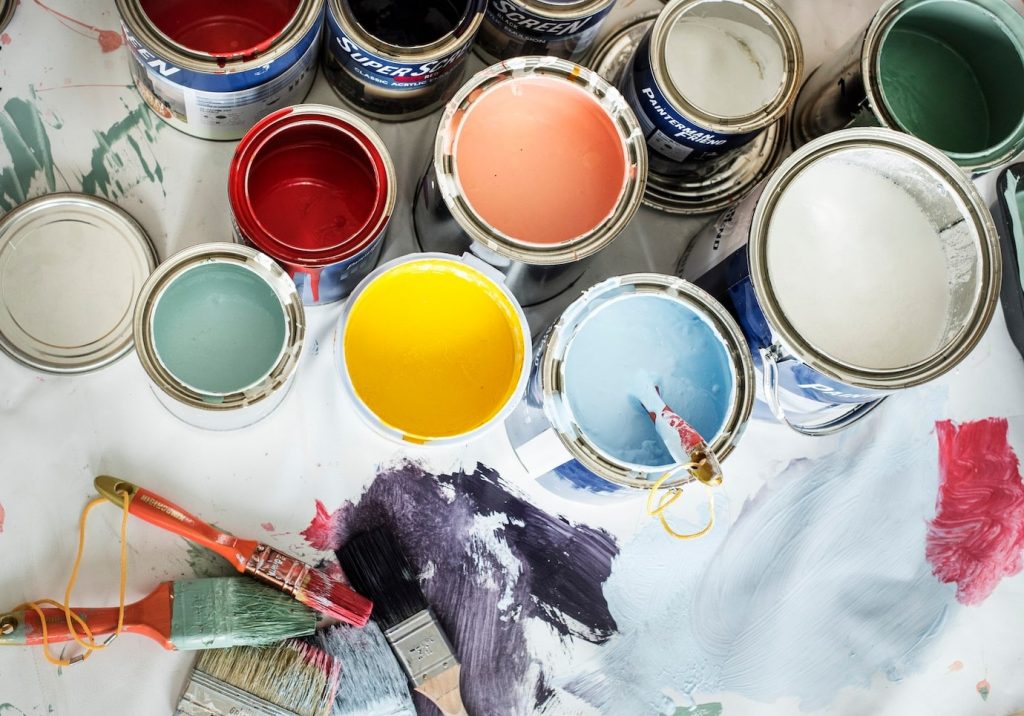
If you’re having trouble painting your house, try switching to a different brush. It is impossible, for instance, to spread an even coat of water-based latex paint using a brush made of natural bristles. Remember that a paintbrush made of natural bristles is ideal when working with oil paints. The perfect brushes to use with water-based latex paint are made of nylon or polyester.
Applying the Second Coat Too Soon
The goal of most painters is to get their jobs done quickly. However, many people rush through the second coat of paint, resulting in visible brush strokes, peeling, and a poor finish. Suppose you want a genuinely flawless result from your paint job. In that case, the manufacturers typically advise waiting to apply the second coat. In addition, waiting at least one day between coats is generally recommended.
Too Much Paint
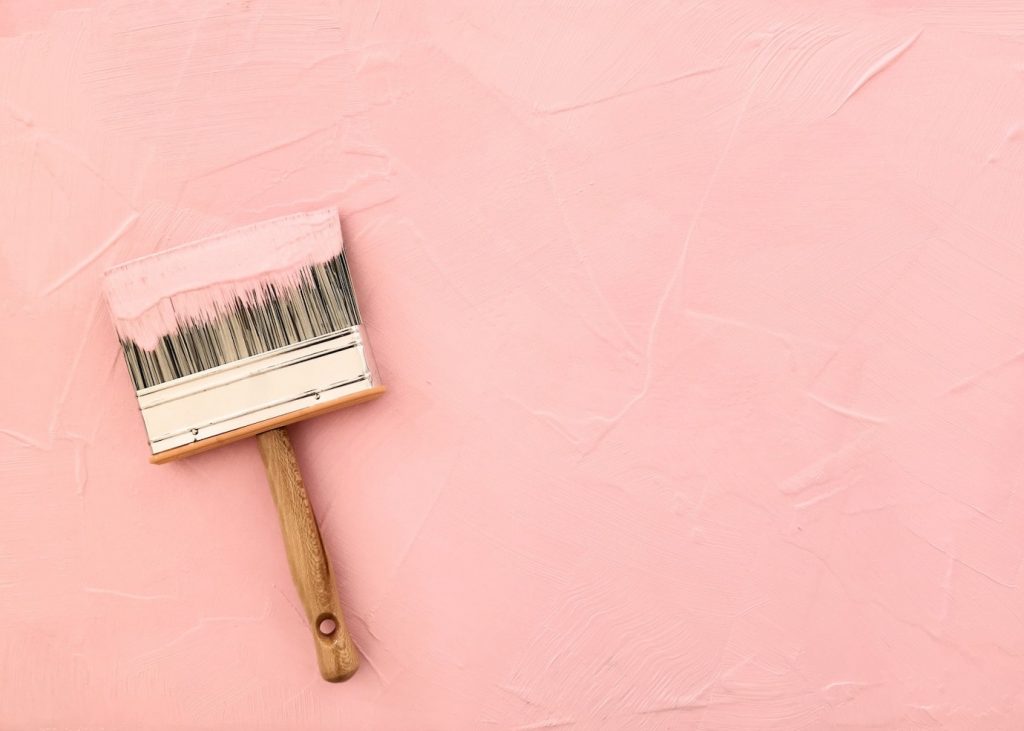
The urge to apply a lot of colors should be resisted. It’s wasteful and pointless and may end up costing you more. Don’t believe the painter when they say you just need one coat of paint instead of two. A messy, inconsistent conclusion will result from the former. Using a roller and moving it in a “W” motion to remove excess paint and smooth up the surface is the key to a professional-looking paint job.
Ignoring the Climate
It’s not suitable for the paint to be exposed to high temperatures for long periods. Therefore, take the local climate into account before beginning a painting project. Water-based paint’s drying time could be prolonged by high humidity. Low temperatures, meanwhile, can prevent paint from curing uniformly, which can cause cracking and peeling. Finally, excessive heat can cause paint to bubble or dry too quickly, leaving behind an unsightly and uneven surface.
Seek advice from the paint maker on the ideal temperature for using it indoors or outdoors before you try again. You may have to make modifications, like painting while the heat is on or leaving the air conditioning on.
Not Enough Paint Available
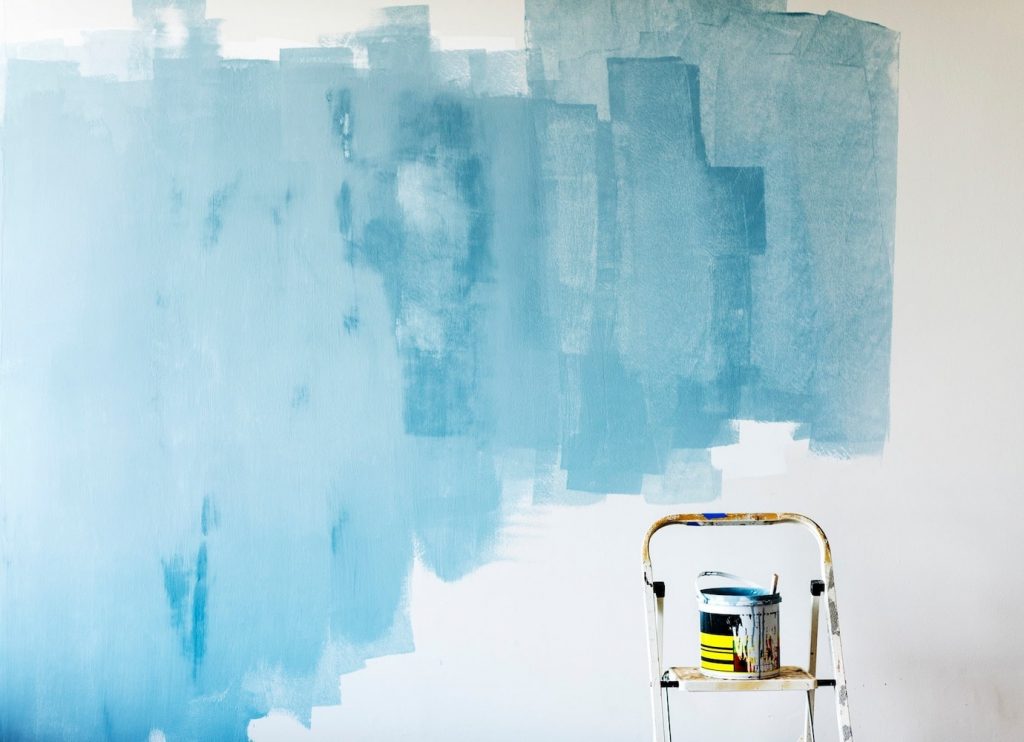
You need to figure out how much paint you’ll need to apply to achieve a uniform and complete effect and give the surface you’re painting justice. To determine how much paint will be required to complete the project, it is recommended that you consult with your favorite painting contractor. Ask your painter to be economical with the brush to reduce waste.
Using too much paint because the brush was dipped too far down. To avoid this, merely submerge the tip of your brush into the paint.
It’s annoying to run around to different hardware stores looking for paint in the middle of a painting job. To prevent this from happening, buying more paint than you’ll need for a painting project is a good idea. Any remaining paint can be used for touch-ups or saved for use in a different painting. All home renovation initiatives should be consulted with professional painters. We appreciate you being interested in Al Smith Metal Roofing. Please fill out the form below to get in touch with us or to sign up for our newsletters. We’ll get back to you as quickly as we can.